
biggest nightmare of the north
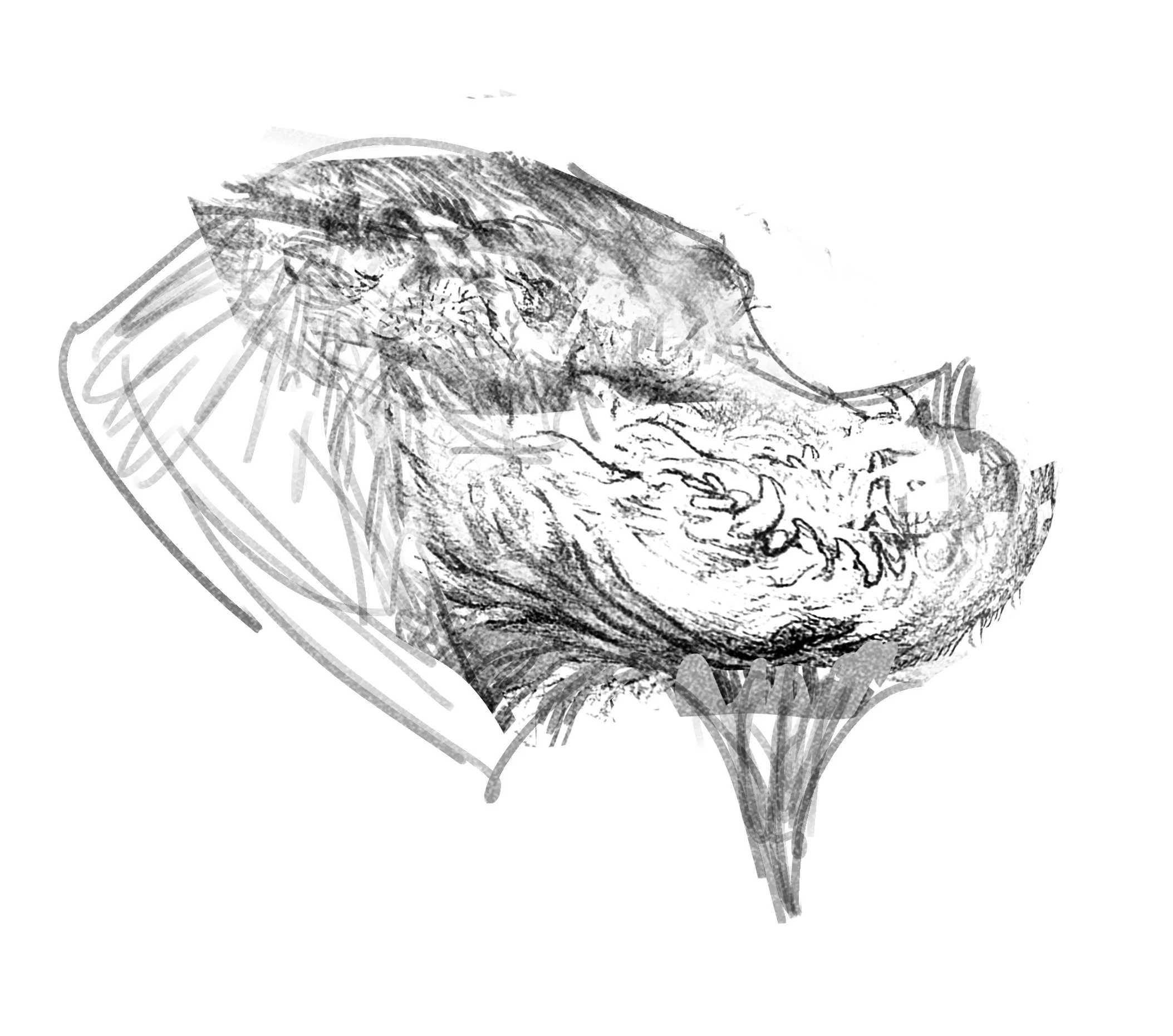
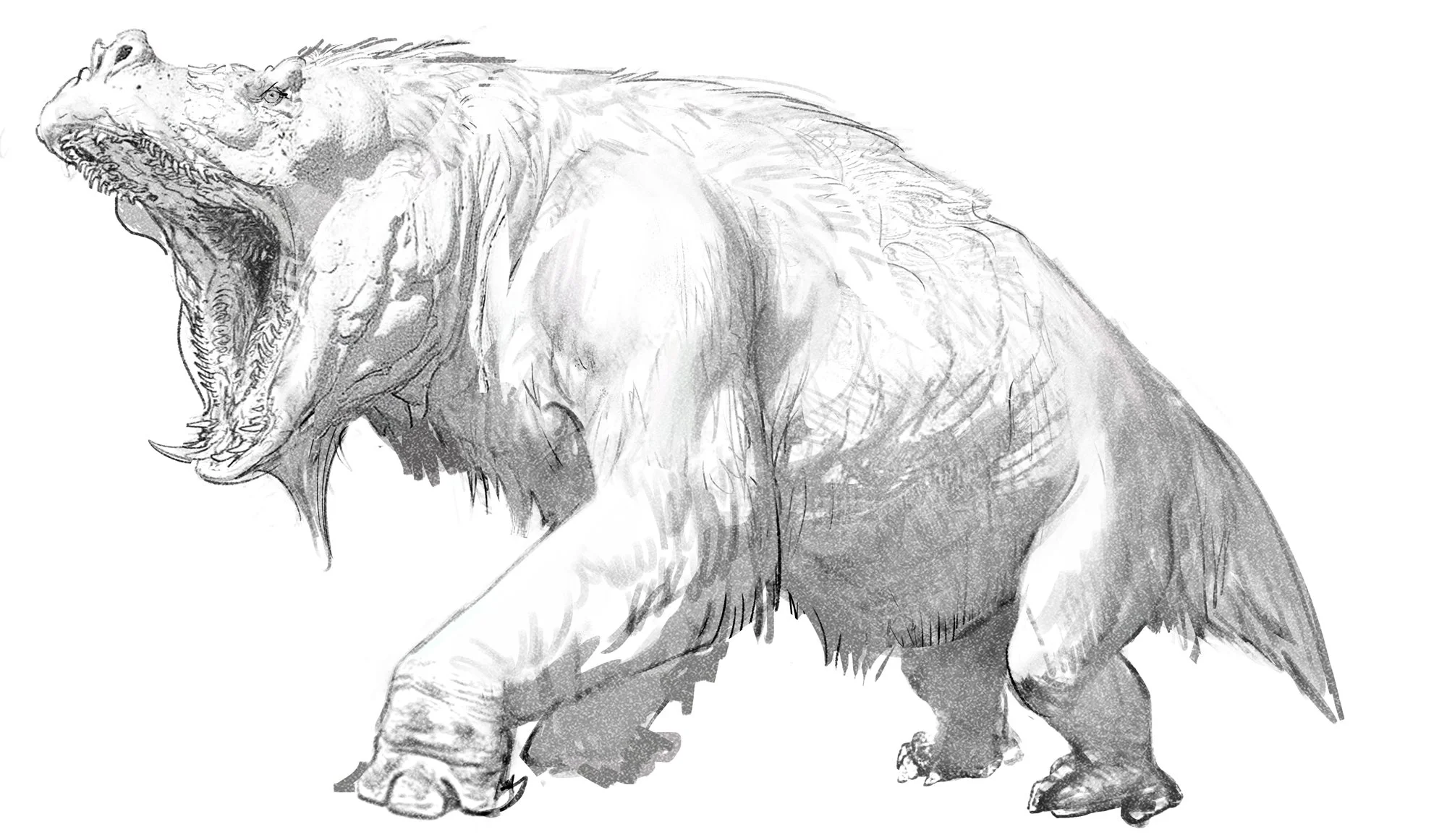
Tyrannopithecus
This unique blend of primitive power and specialized morphology establishes Cryocanisaurus as the apex predator in its cold ecological niche. Its bite far exceeds the force of most contemporary carnivores, allowing it to effortlessly shear through the thickest long bones of megafauna, marking it as the true Arctic Bone-Crusher.
shear through the thickest long bones of megafauna,
Giant Canines (Dentes canini): These are conical, slightly recurved, and are primarily used for puncturing and gripping the tough hides of prey. They may partially protrude when the mouth is closed, adding to the animal's menacing profile.
shear through the thickest long bones of megafauna, marking it as the true Arctic Bone-Crusher.
The skull features heavily developed occipital crests (cristae occipitalis), which serve as crucial anchor points for the large temporal muscles (M. temporalis) and masseter muscles (M. masseter). This muscle system, reminiscent of large crocodiles and extinct synapsids, provides the sheer force necessary to hold and drag resisting, large prey.
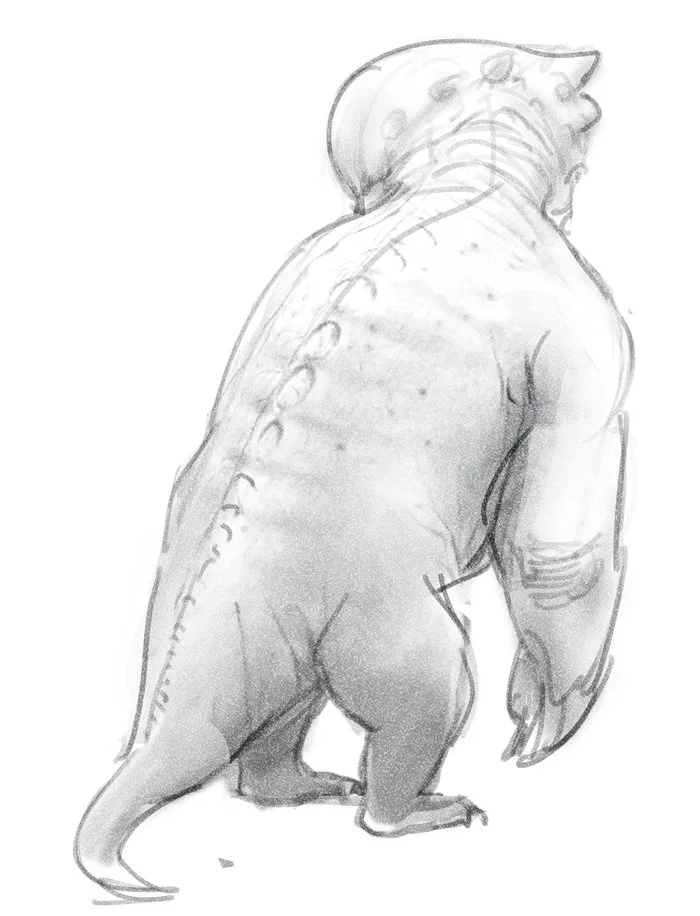
The TiranoPitek is the largest primate to ever walk the Earth, an apex predator whose morphology bridges the gap between mammals and ancient reptiles. Living up to its name with the ferocity of a Tyrannosaurus, it combines the massive build of a moose, the mobility of a primate, and the cold-blooded ruthlessness of a crocodile. While nearly blind due to poorly developed eyes, it possesses a supernatural sense of smell that allows it to track prey from dozens of kilometers away. Cloaked in a dense coat of fur to withstand the harshest arctic climates, the TiranoPitek reigns supreme as a nightmare of the north, dominating all surrounding fauna.
The skull features heavily developed occipital crests (cristae occipitalis), which serve as crucial anchor points for the large temporal muscles (M. temporalis) and masseter muscles (M. masseter). This muscle system, reminiscent of large crocodiles and extinct synapsids, provides the sheer force necessary to hold and drag resisting, large prey.
THE NIGHT’S LITTLE GLUTTON
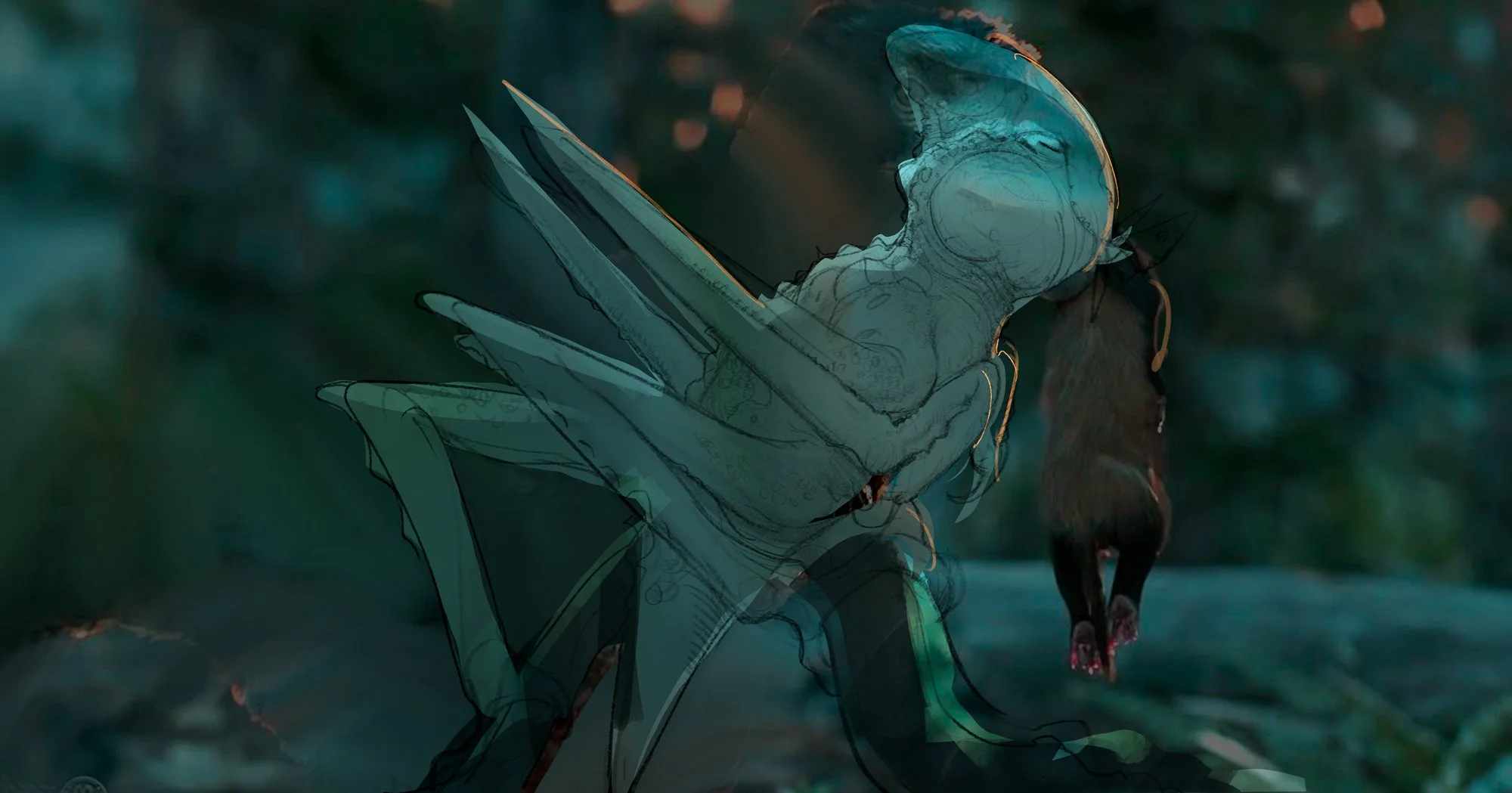
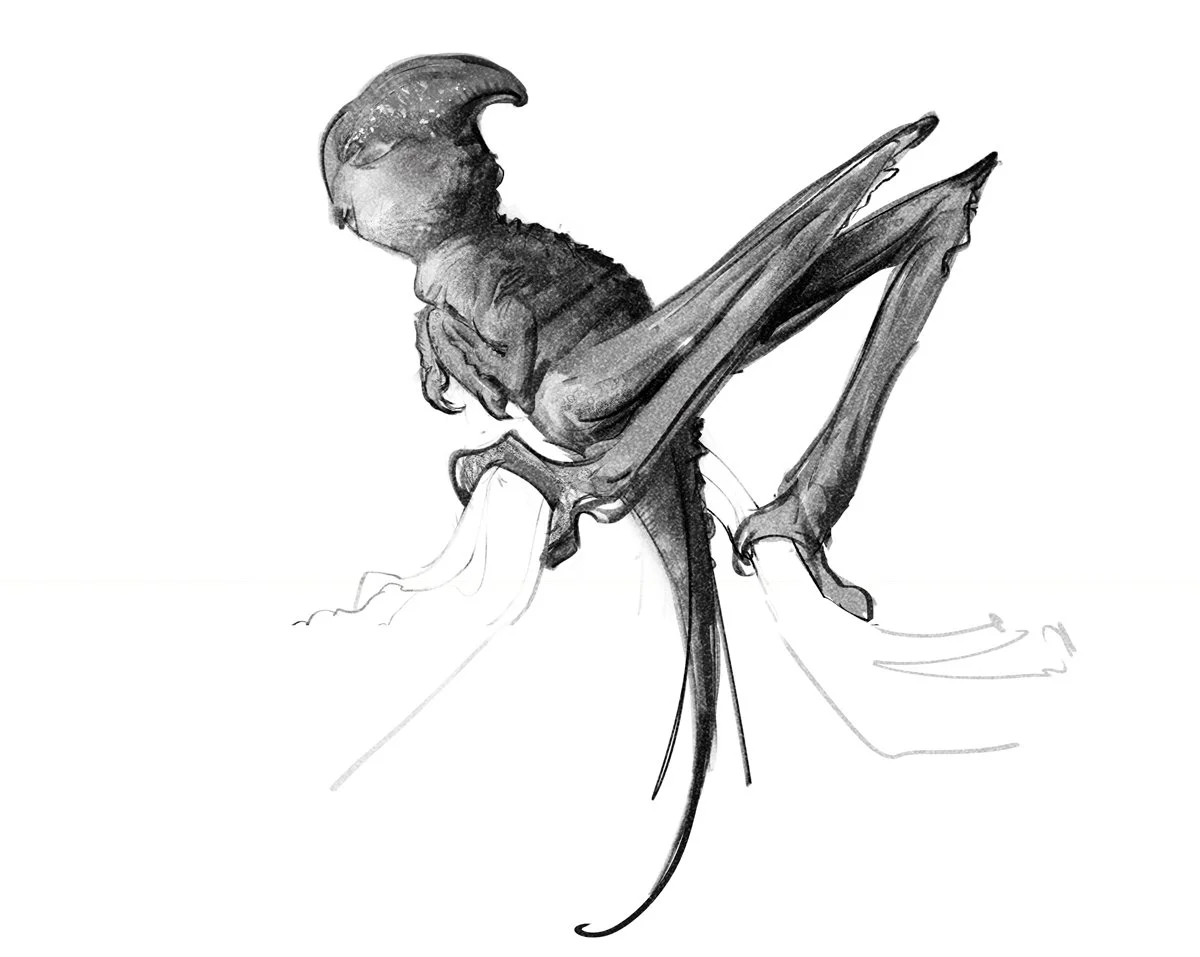
Snap-Dragon
This unique blend of primitive power and specialized morphology establishes Cryocanisaurus as the apex predator in its cold ecological niche. Its bite far exceeds the force of most contemporary carnivores, allowing it to effortlessly shear through the thickest long bones of megafauna, marking it as the true Arctic Bone-Crusher.
shear through the thickest long bones of
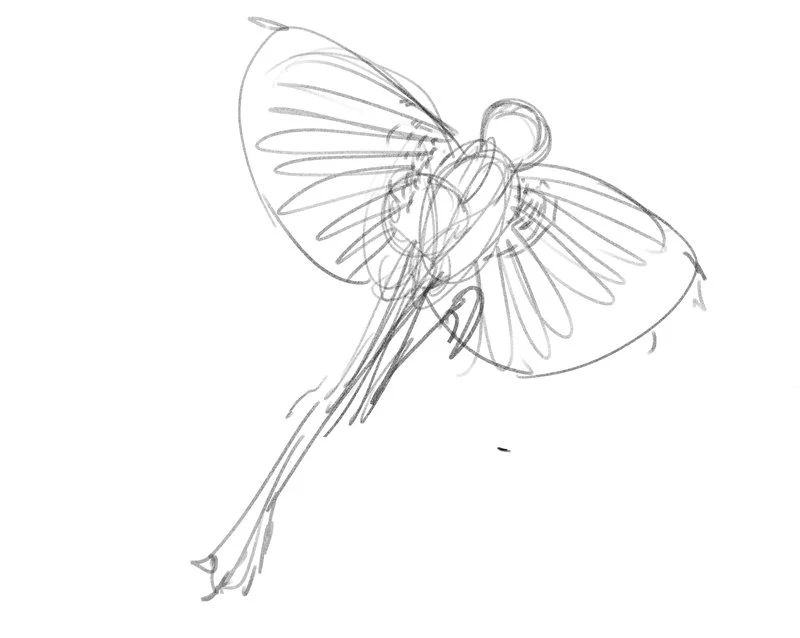
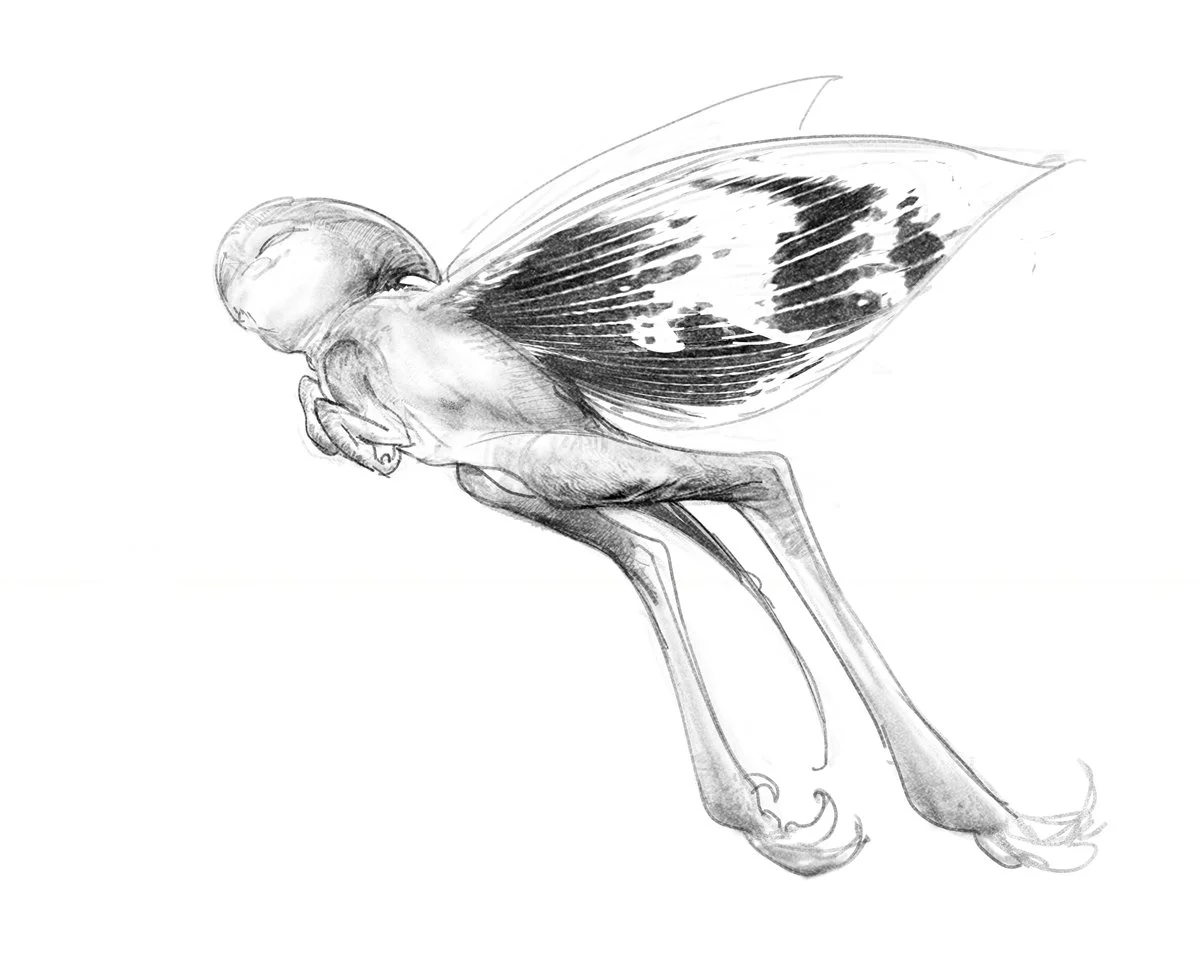
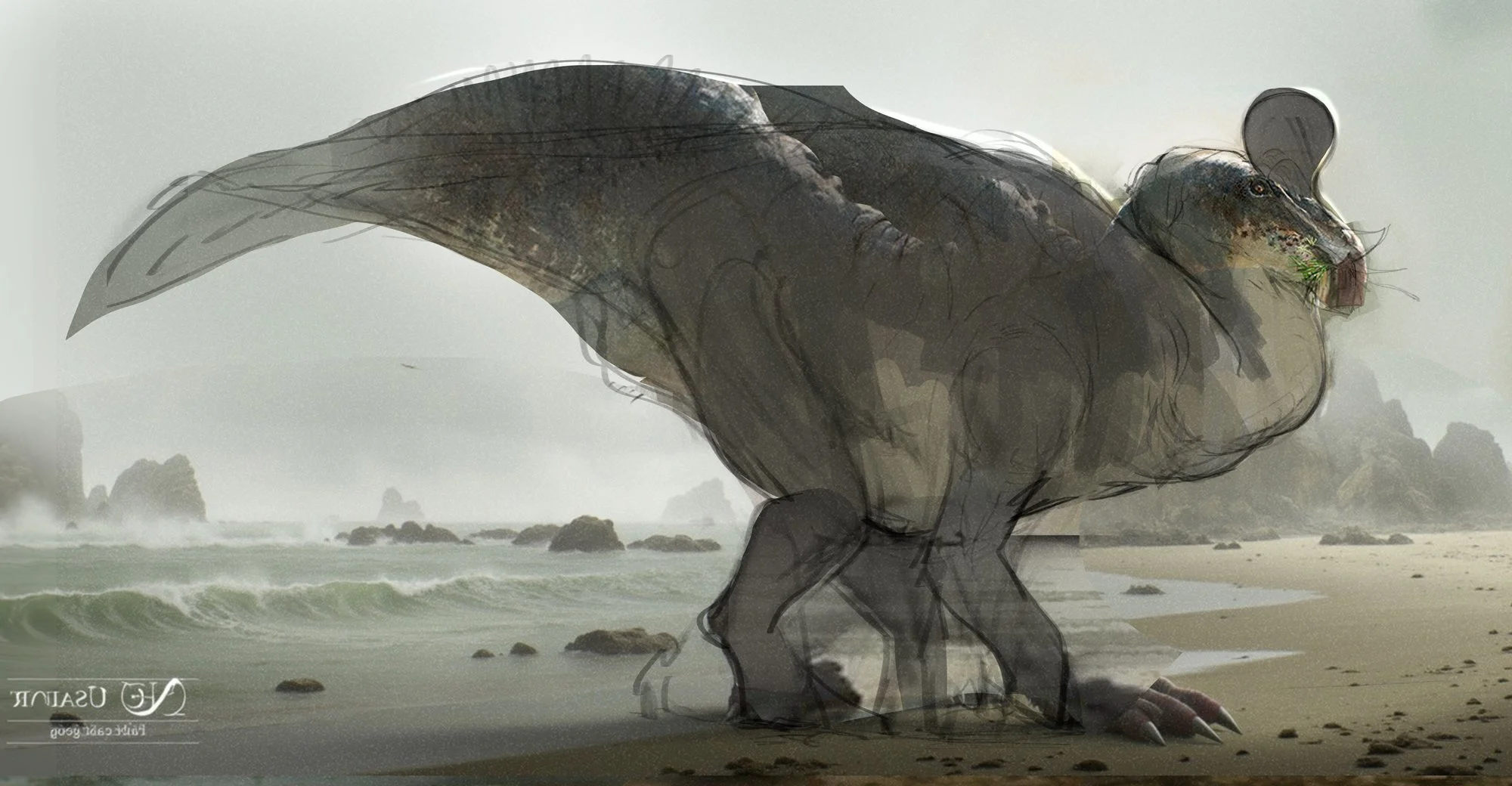
A fascinating anomaly, this diminutive nocturnal saurian pushes the boundaries of vertebrate biomechanics, having evolved a skeletal and muscular structure for its hind limbs that mirrors the explosive power and efficiency of Orthoptera (grasshoppers and locusts). While definitively a reptile, its exceptionally elongated femurs and tibiae are packed with powerful, quick-twitch muscle fibers, functioning as biological springs that generate immense force for its size. These 'grasshopper legs,' combined with specialized claw structures for a powerful launch grip, propel the creature across distances dozens of times its body length. This unique, hyper-specialized gait—a hybrid of reptilian agility and insectoid propulsion—combined with front limb patagium (gliding membranes) that turn leaps into silent, controlled aerial glides, makes it a ghost-like and deadly predator of forest insects and small vertebrates. In the heart of the night, it is a fleeting shadow, a tiny, gluttonous "dragon" whose biomechanics defy classification, dominating the jungle undergrowth.
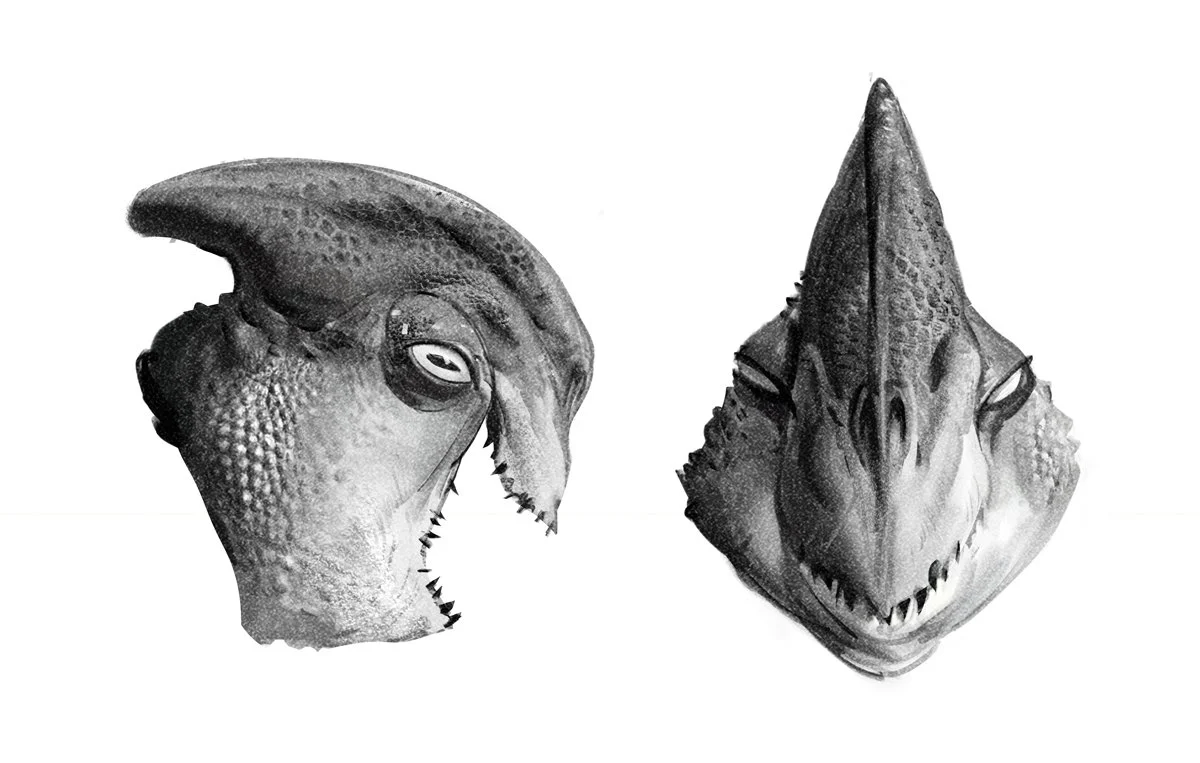
Giant Canines (Dentes canini): These are conical, slightly recurved, and are primarily used for puncturing and gripping the tough hides of prey. They may partially protrude when the mouth is closed, adding to the animal's menacing profile.
Giant Canines (Dentes canini): These are conical, slightly recurved, and are primarily used for puncturing and gripping the tough hides of prey. They may partially protrude when the mouth is closed, adding to the animal's menacing profile.
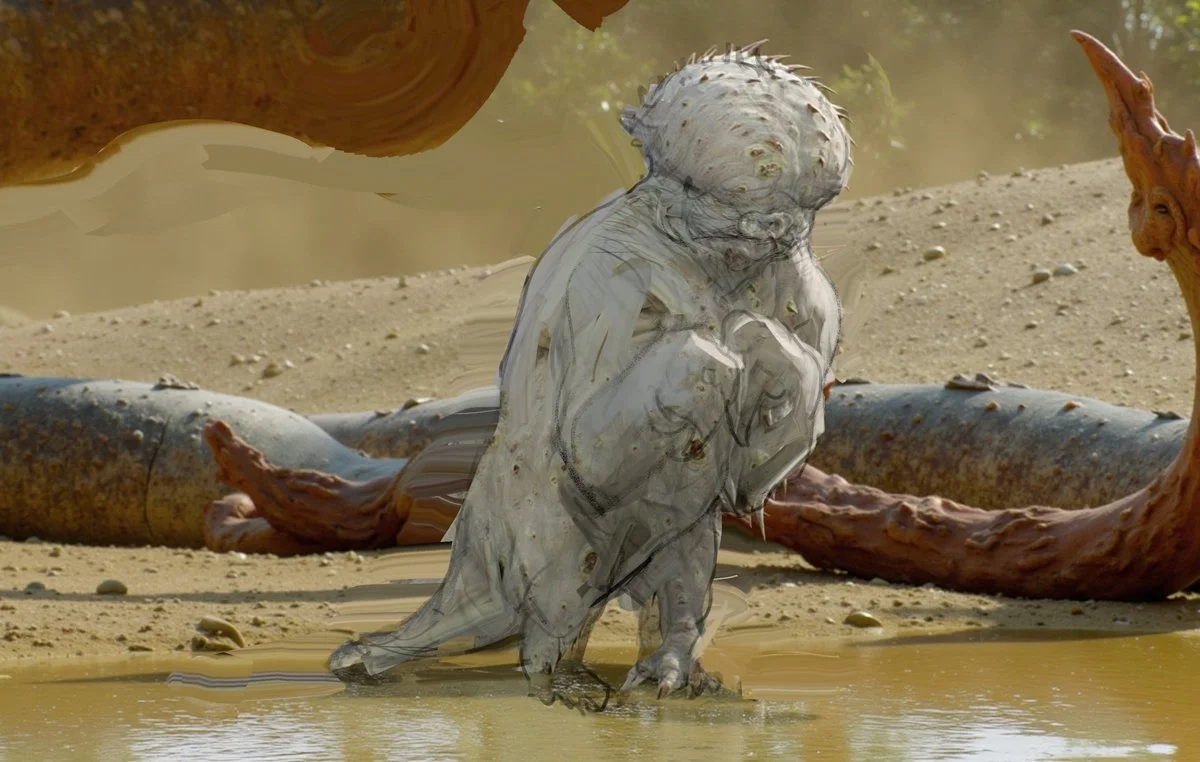
distant relatives of the human with shovels
humole
This unique blend of primitive power and specialized morphology establishes Cryocanisaurus as the apex predator in its cold ecological niche. Its bite far exceeds the force of most contemporary carnivores, allowing it to effortlessly shear through the thickest long bones of megafauna, marking it as the true Arctic Bone-Crusher.
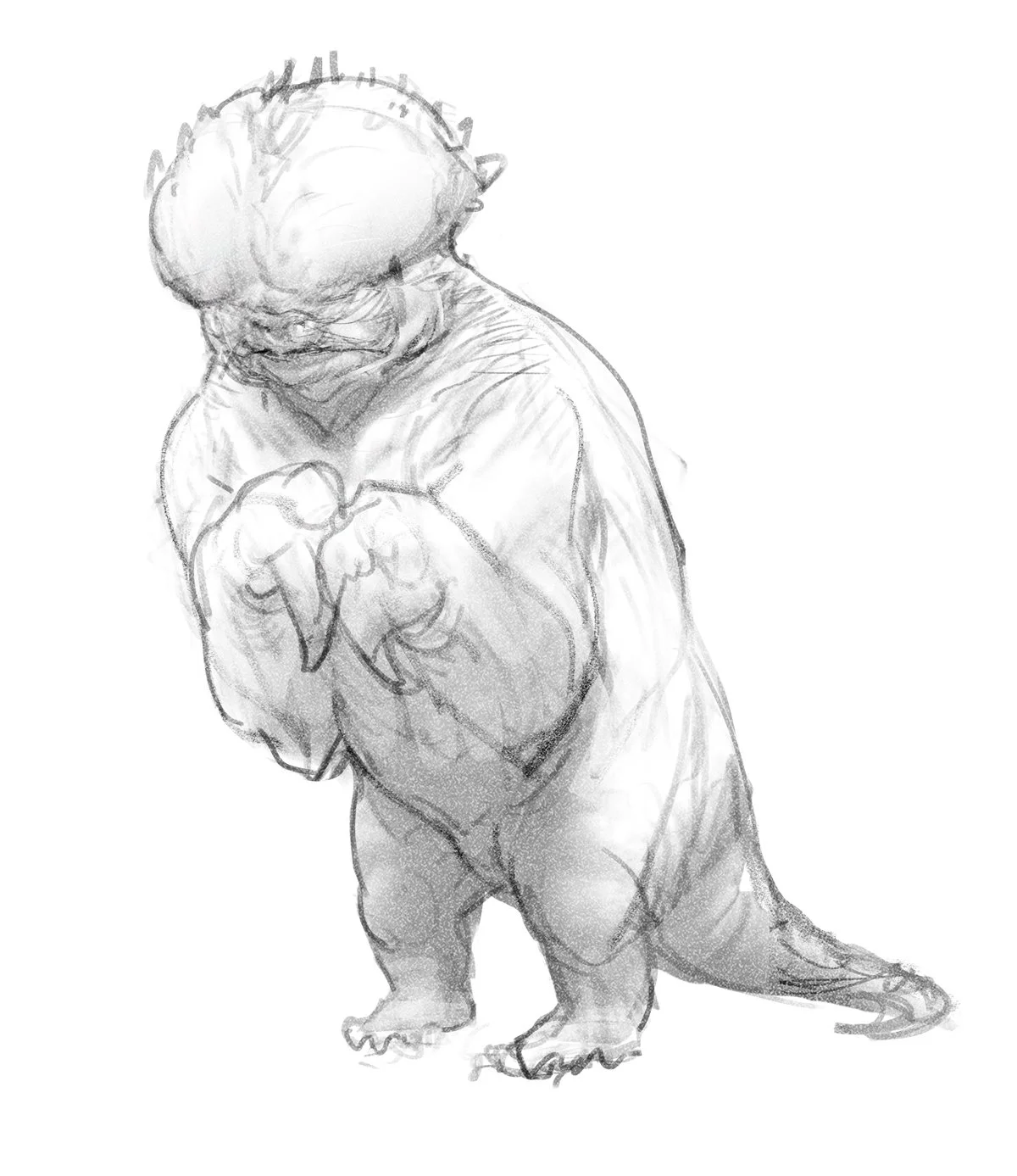
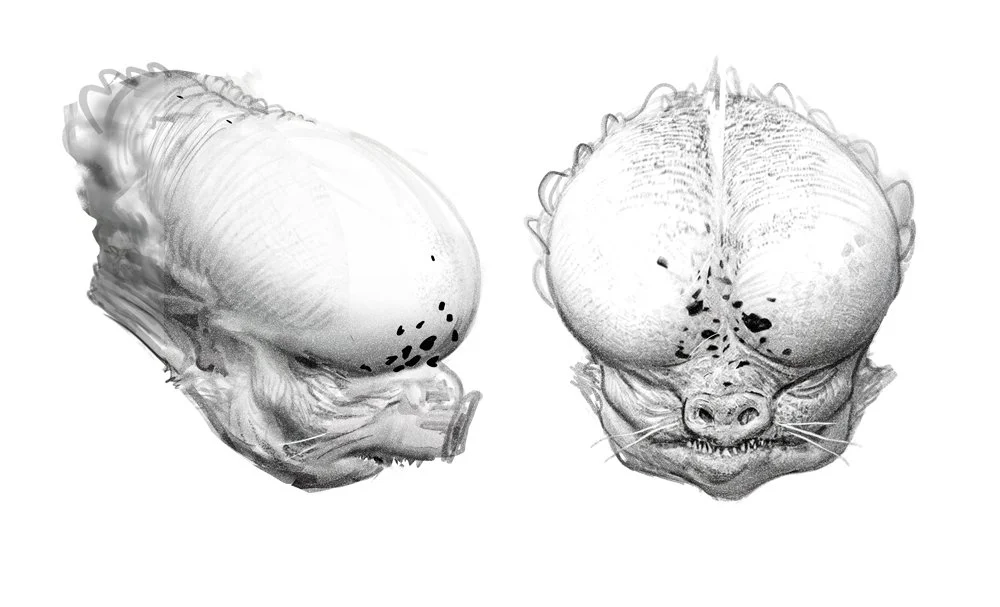
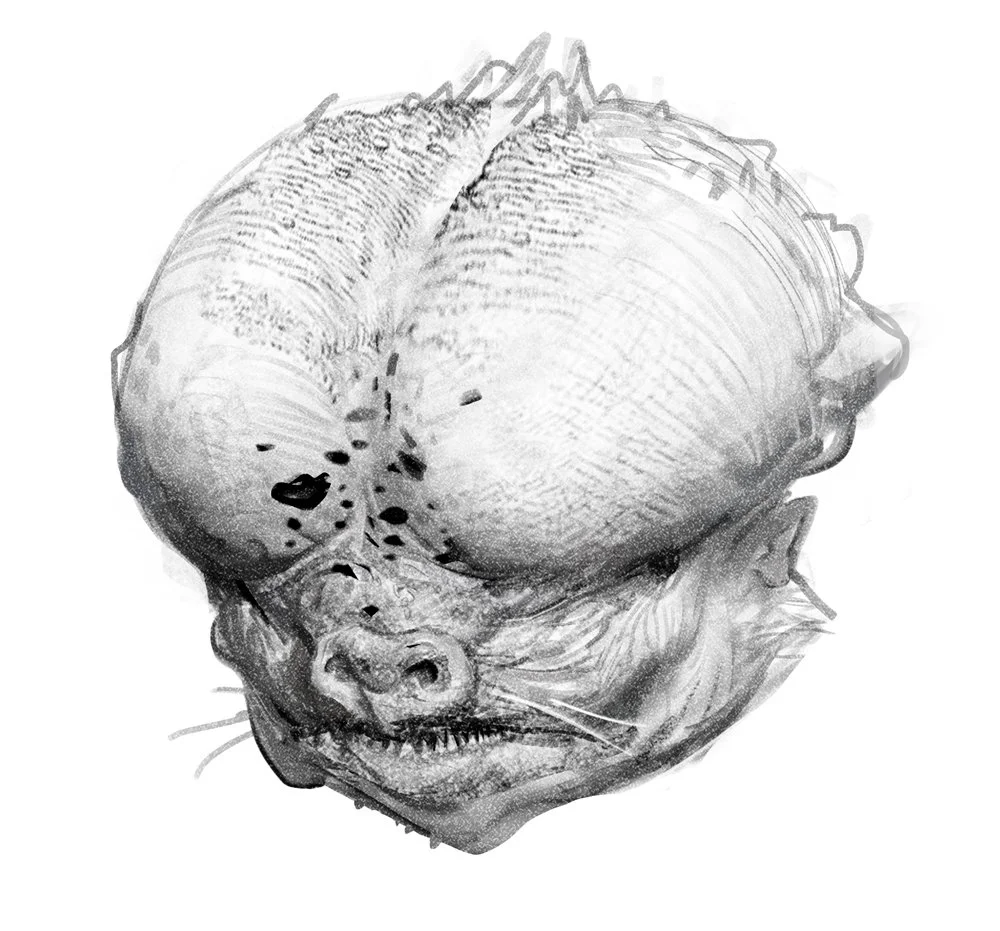
Its pale, translucent skin and reduced, light-sensitive eyes betray a life spent in the humid darkness of riverbank burrows. Despite its beastly appearance and egg-laying reproductive cycle, its facial structure remains disturbingly human—a silent, brooding reflection of a path not taken by modern man.
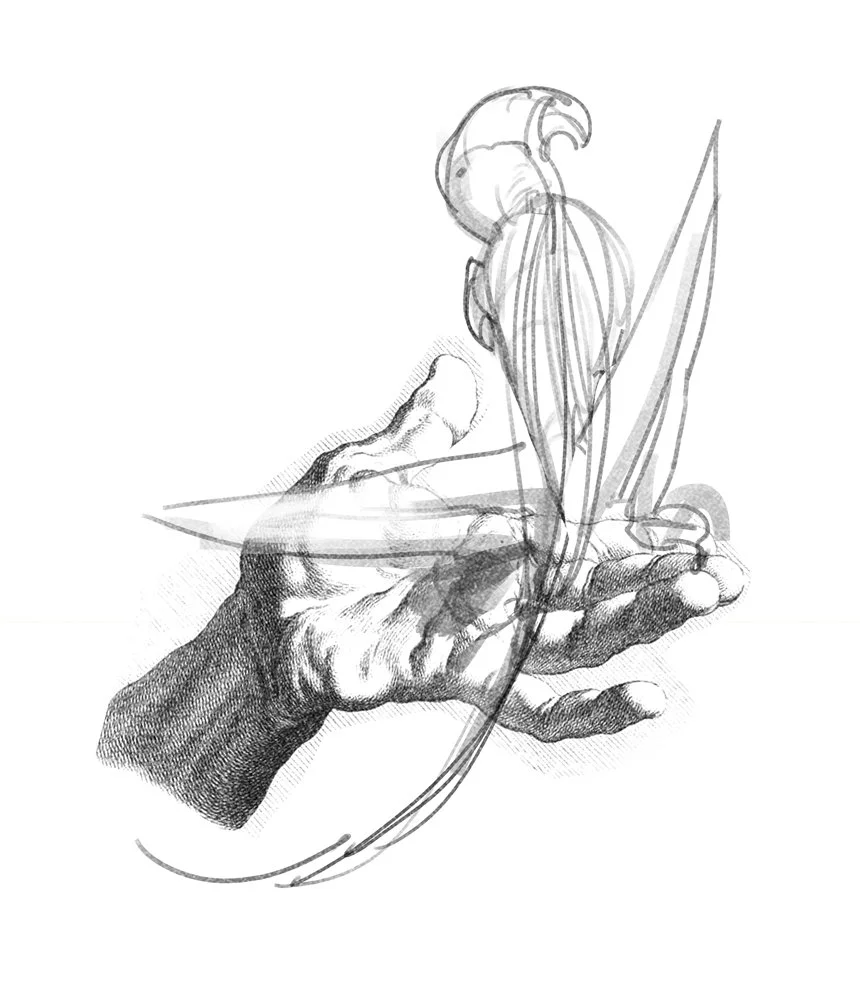
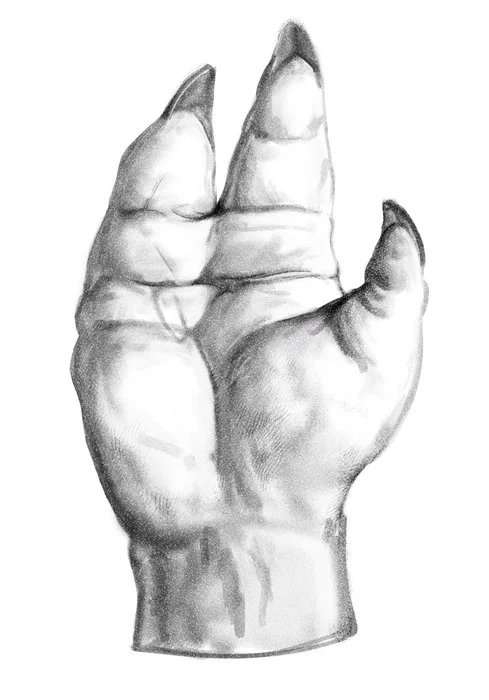
A squat, powerful relative of the human lineage, the Humole has fully committed to a fossorial (digging) existence. Standing at the height of a large beaver, its anatomy is a masterclass in excavation. The most striking feature is its massive, spade-like hands: through millions of years of adaptation, it has lost two digits, leaving three incredibly thick, shovel-shaped fingers fused with heavy keratinized nails. These "biological shovels" allow it to move pounds of earth in seconds.
Its pale, translucent skin and reduced, light-sensitive eyes betray a life spent in the humid darkness of riverbank burrows. Despite its beastly appearance and egg-laying reproductive cycle, its facial structure remains disturbingly human—a silent, brooding reflection of a path not taken by modern man.
shear through the thickest long bones of megafauna, marking it as the true Arctic Bone-Crusher.
Take a minute to write an introduction that is short, sweet, and to the point.
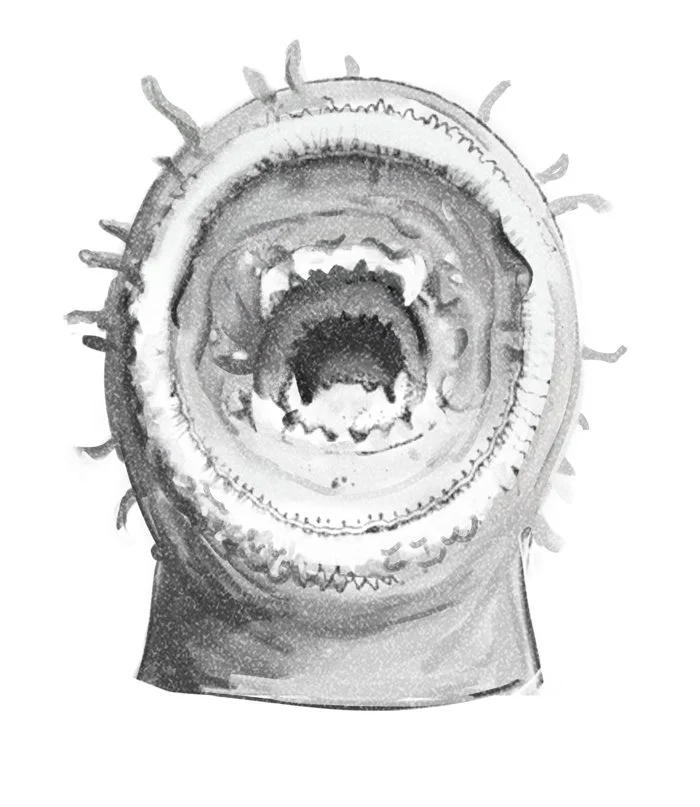
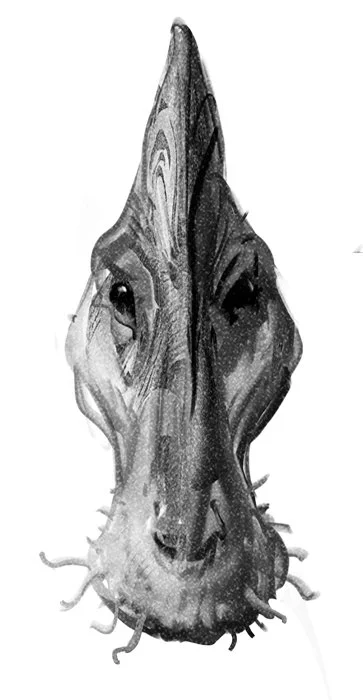
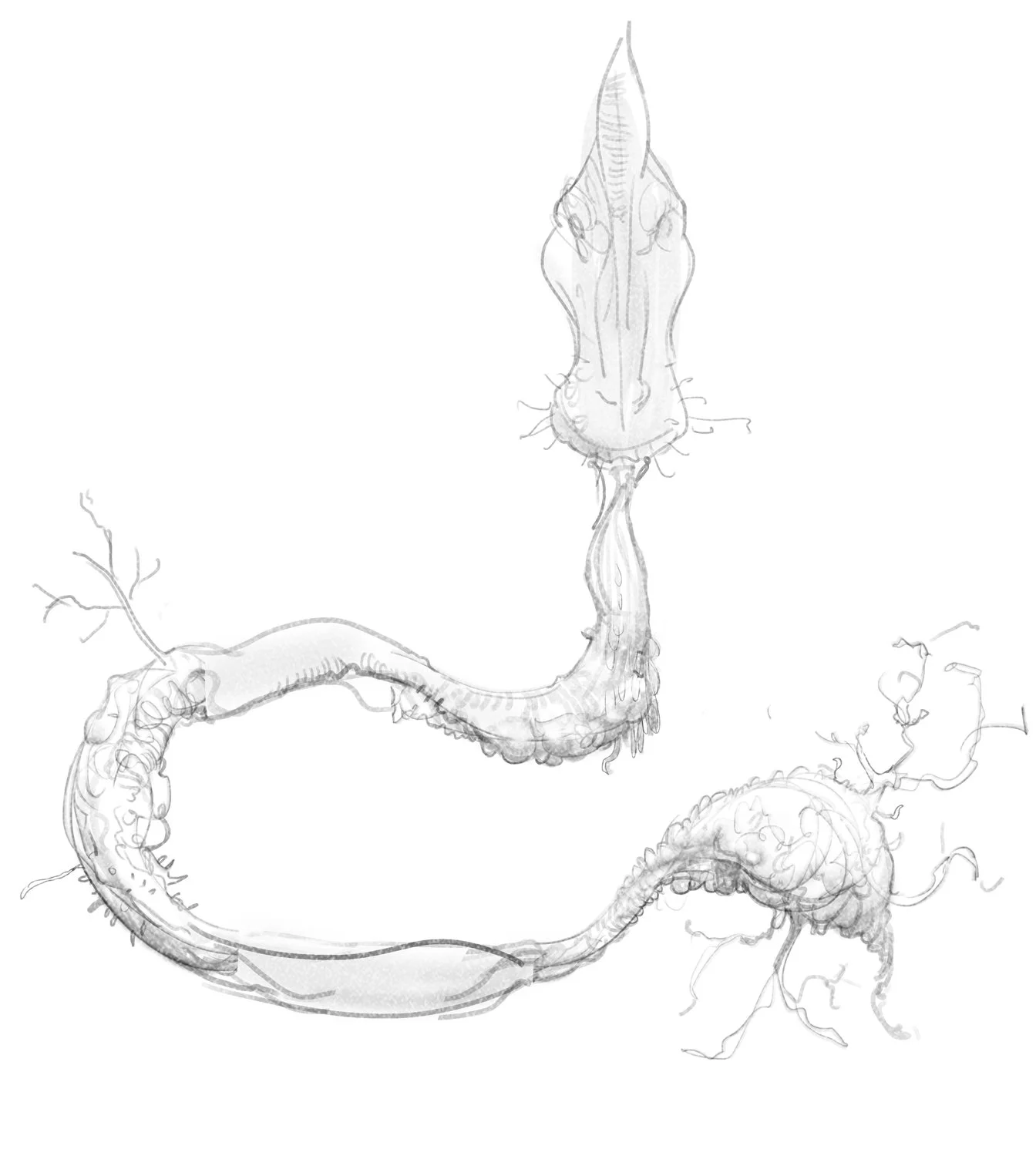
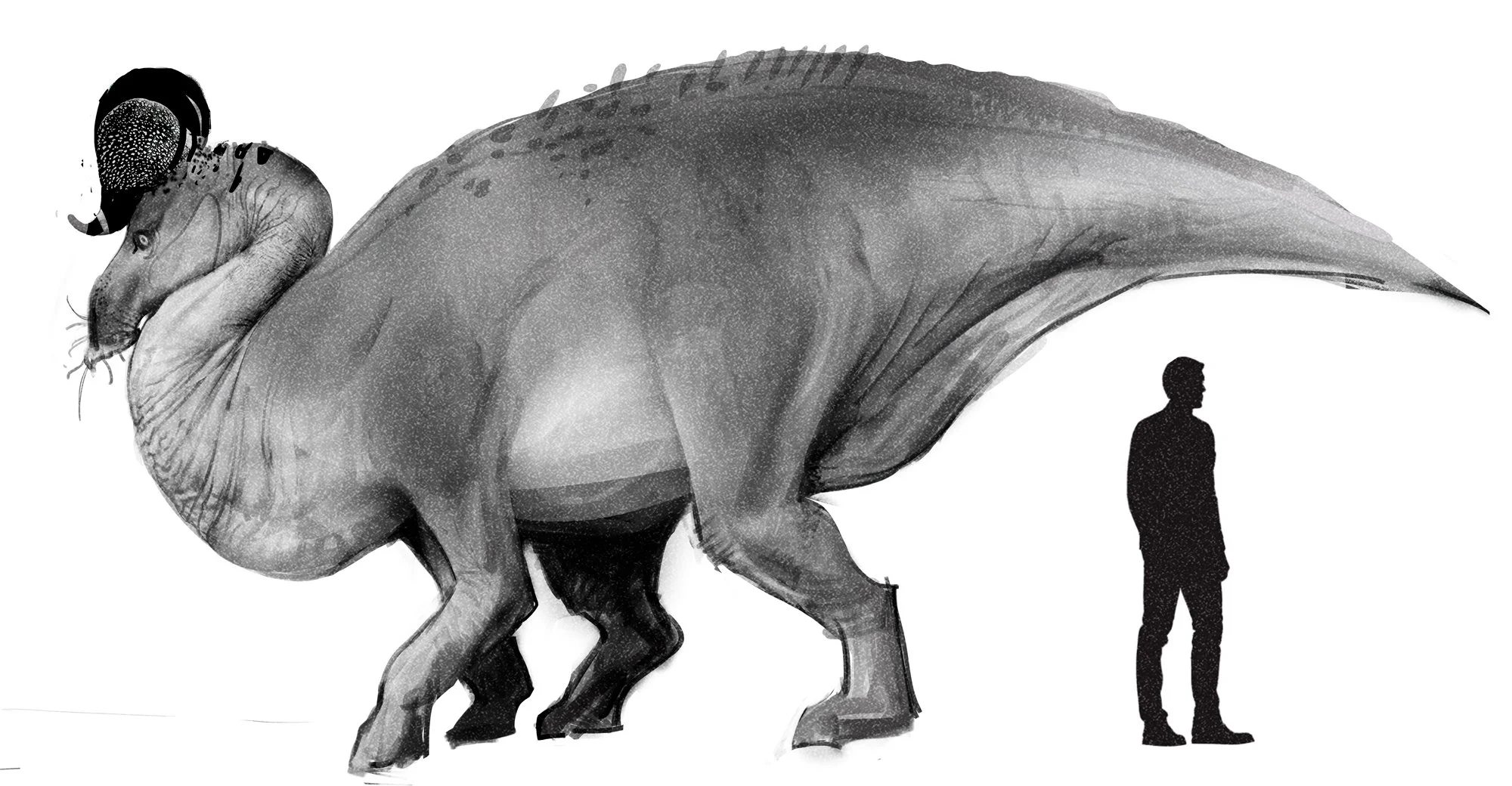
Gastroglossus
This unique blend of primitive power and specialized morphology establishes Cryocanisaurus as the apex predator in its cold ecological niche. Its bite far exceeds the force of most contemporary carnivores, allowing it to effortlessly shear through the thickest long bones of megafauna, marking it as the true Arctic Bone-Crusher.
shear through the thickest long bones of megafauna, marking it as the true Arctic Bone-Crusher.
Massive Occipital Shelf: The skull features heavily developed occipital crests (cristae occipitalis), which serve as crucial anchor points for the large temporal muscles (M. temporalis) and masseter muscles (M. masseter). This muscle system, reminiscent of large crocodiles and extinct synapsids, provides the sheer force necessary to hold and drag resisting, large prey.
Massive Occipital Shelf: The skull features heavily developed occipital crests (cristae occipitalis), which serve as crucial anchor points for the large temporal muscles (M. temporalis) and masseter muscles (M. masseter). This muscle system, reminiscent of large crocodiles and extinct synapsids, provides the sheer force necessary to hold and drag resisting, large prey.
Massive Occipital Shelf: The skull features heavily developed occipital crests (cristae occipitalis), which serve as crucial anchor points for the large temporal muscles (M. temporalis) and masseter muscles (M. masseter). This muscle system, reminiscent of large crocodiles and extinct synapsids, provides the sheer force necessary to hold and drag resisting, large prey. Massive Occipital Shelf: The skull features heavily developed occipital crests (cristae occipitalis), which serve as crucial anchor points for the large temporal muscles (M. temporalis) and masseter muscles (M. masseter). This muscle system, reminiscent of large crocodiles and extinct synapsids, provides the sheer force necessary to hold and drag resisting, large prey.Massive Occipital Shelf: The skull features heavily developed occipital crests (cristae occipitalis), which serve as crucial anchor points for the large temporal muscles (M. temporalis) and masseter muscles (M. masseter). This muscle system, reminiscent of large crocodiles and extinct synapsids, provides the sheer force necessary to hold and drag resisting, large prey.
shear through the thickest long bones of megafauna, marking it as the true Arctic Bone-Crusher.
Giant Canines (Dentes canini): These are conical, slightly recurved, and are primarily used for puncturing and gripping the tough hides of prey. They may partially protrude when the mouth is closed, adding to the animal's menacing profile.
FAQs
What services do you offer?
1
We offer a range of solutions designed to meet your needs—whether you're just getting started or scaling something bigger. Everything is tailored to help you move forward with clarity and confidence.
How do I get started?
2
Getting started is simple. Reach out through our contact form or schedule a call—we’ll walk you through the next steps and answer any questions along the way.
What makes you different?
3
We combine a thoughtful, human-centered approach with clear communication and reliable results. It’s not just what we do—it’s how we do it that sets us apart.
How can I contact you?
4
You can reach us anytime via our contact page or email. We aim to respond quickly—usually within one business day.