
Specialties
Character Design
Creature Design
Concept Art for Film
Animation Visual Development
Costume Exploration
Keyframe & Worldbuilding Concepts
Entertainment Illustration
Freelance Concept Artist
Lead Character Development
Art Direction
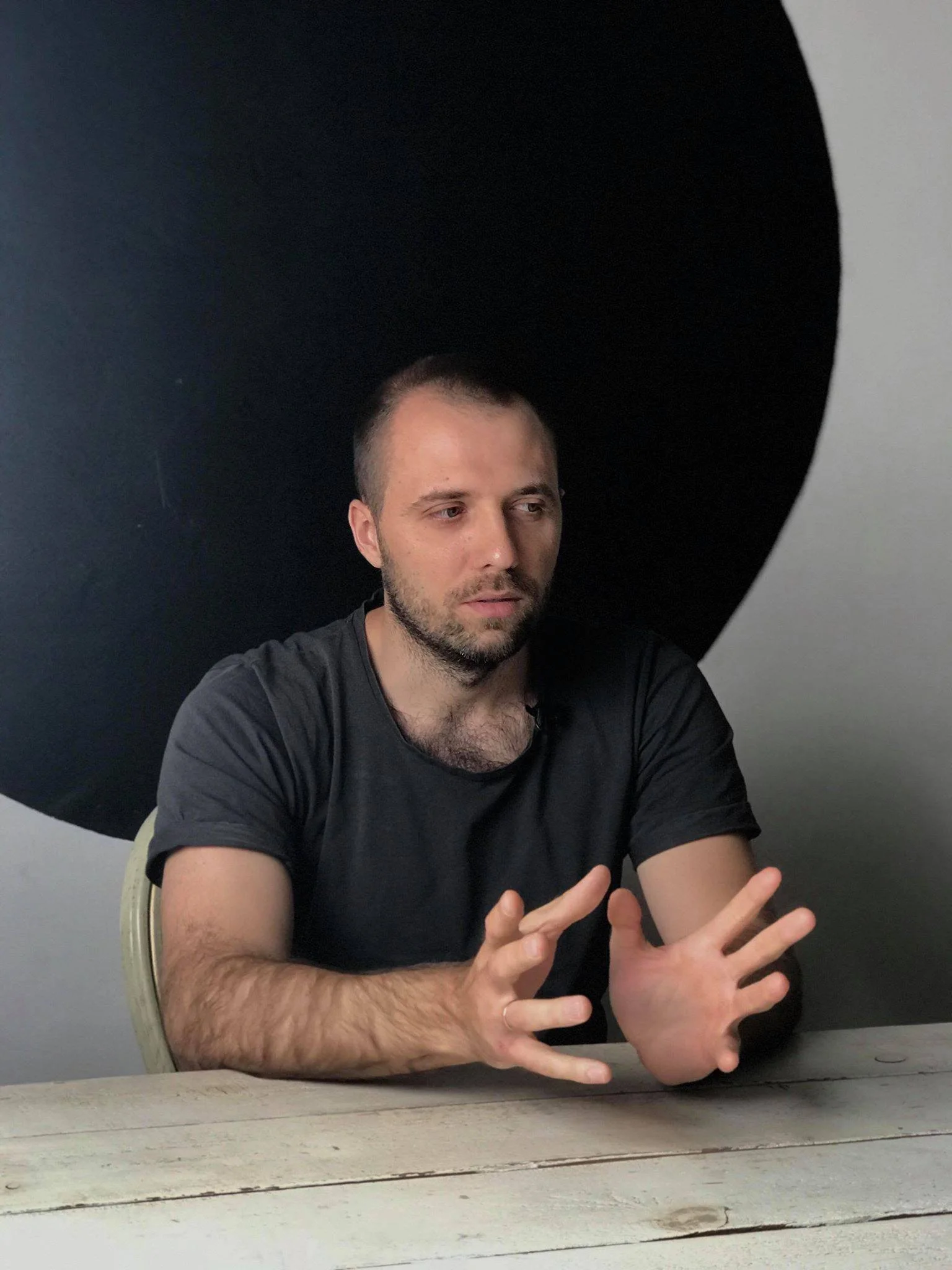
Max Kostenko | Character & Creature Designer for Film, Animation and Games
Max Kostenko is a character designer, creature designer, and concept artist specializing in film, animation, games, and visual development. Over the past two decades, he has created original character concepts, creature designs, and production artwork for major studios and international productions.
His work spans feature films, animated projects, and entertainment design, with expertise in character development, creature creation, worldbuilding, visual storytelling, and concept design pipelines. As a freelance concept artist and visual development artist, Max collaborates with directors, producers, VFX teams, and animation studios to develop memorable characters and creatures from initial sketches to production-ready designs.
Whether designing fantasy creatures, cinematic characters, stylized animation casts, or realistic film concepts, Max combines strong drawing fundamentals with production experience to create designs that support story, performance, and visual impact.
He began his career in 2010 as a self-taught freelance artist, building a foundation in illustration, character design, and visual storytelling. Over the past 15+ years, his work has evolved from editorial and publishing illustration to high-quality concept art for feature films and animation projects.
In 2012, his work gained international recognition after winning a competition organized by the renowned New York illustration agency Richard Solomon. Max later began collaborating with Shannon Associates, leading to commissions for The Wall Street Journal and book covers for renowned authors such as Katherine Applegate.
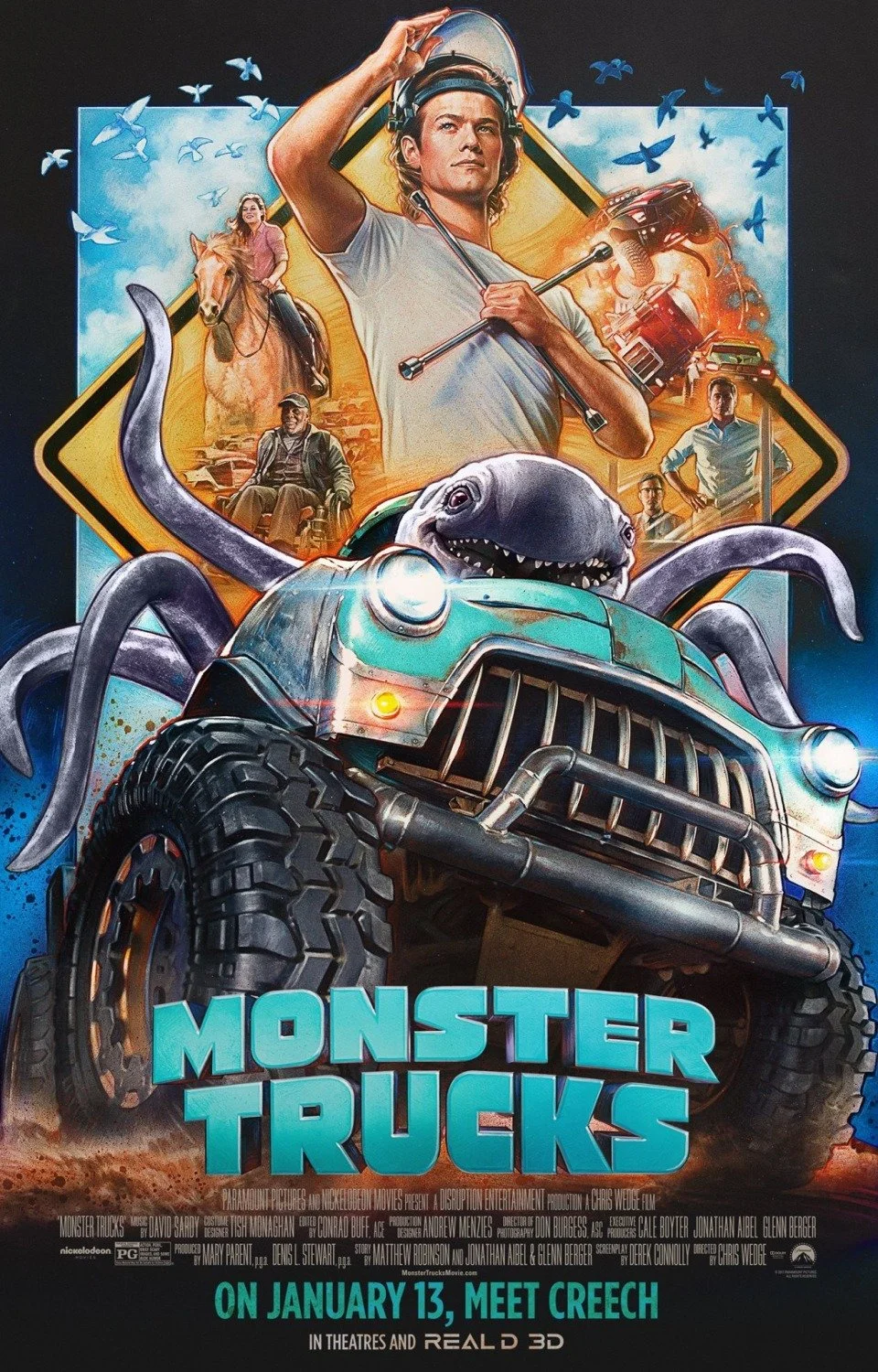
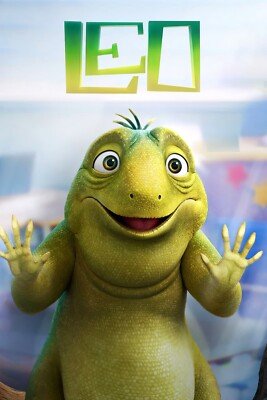
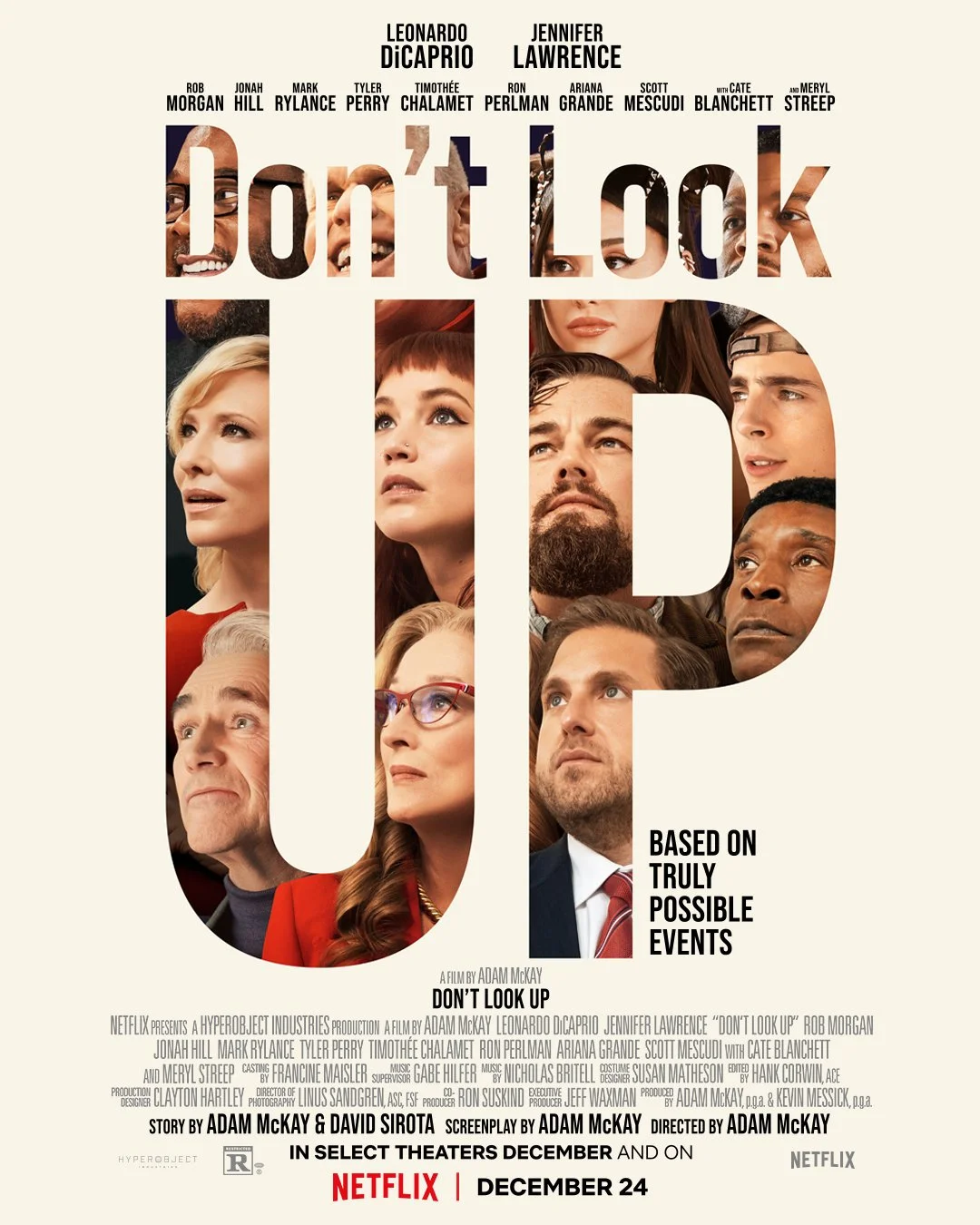
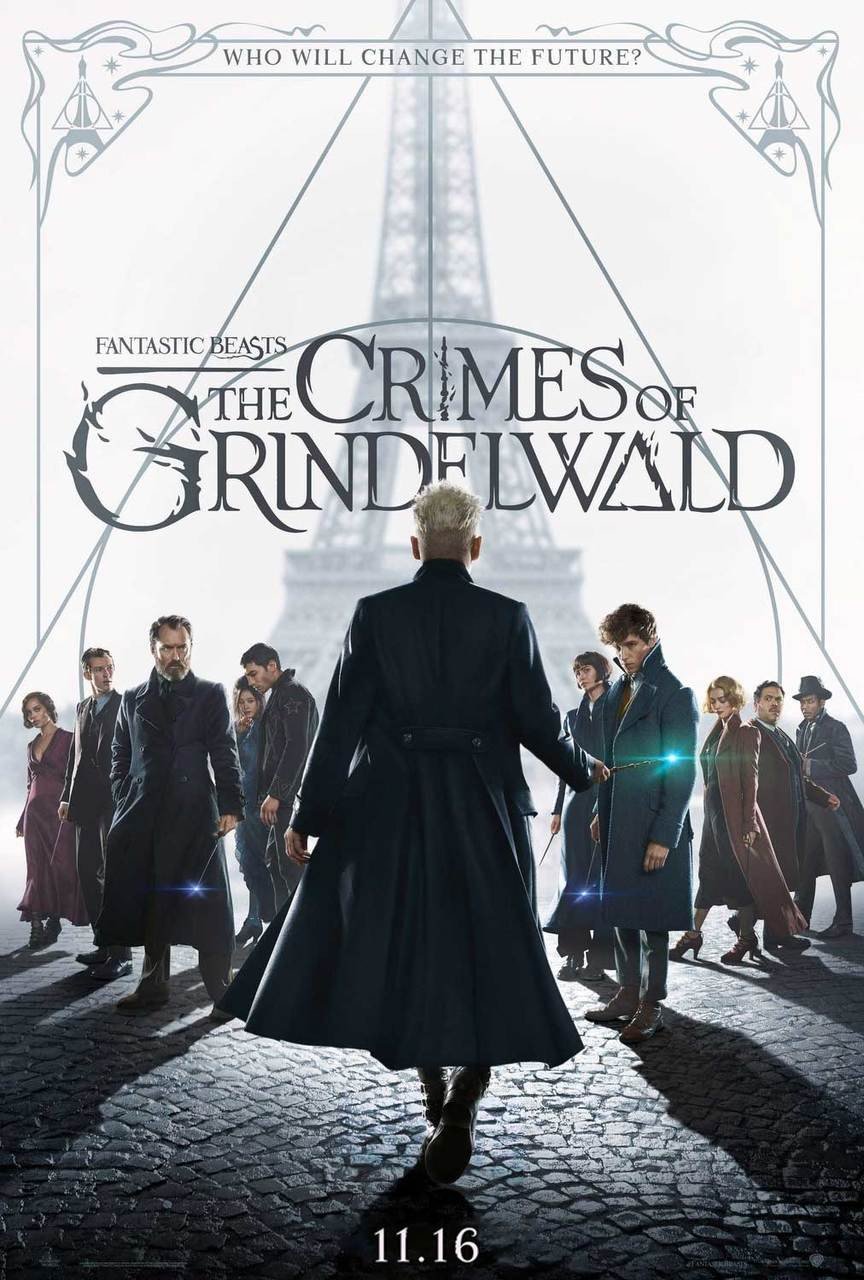
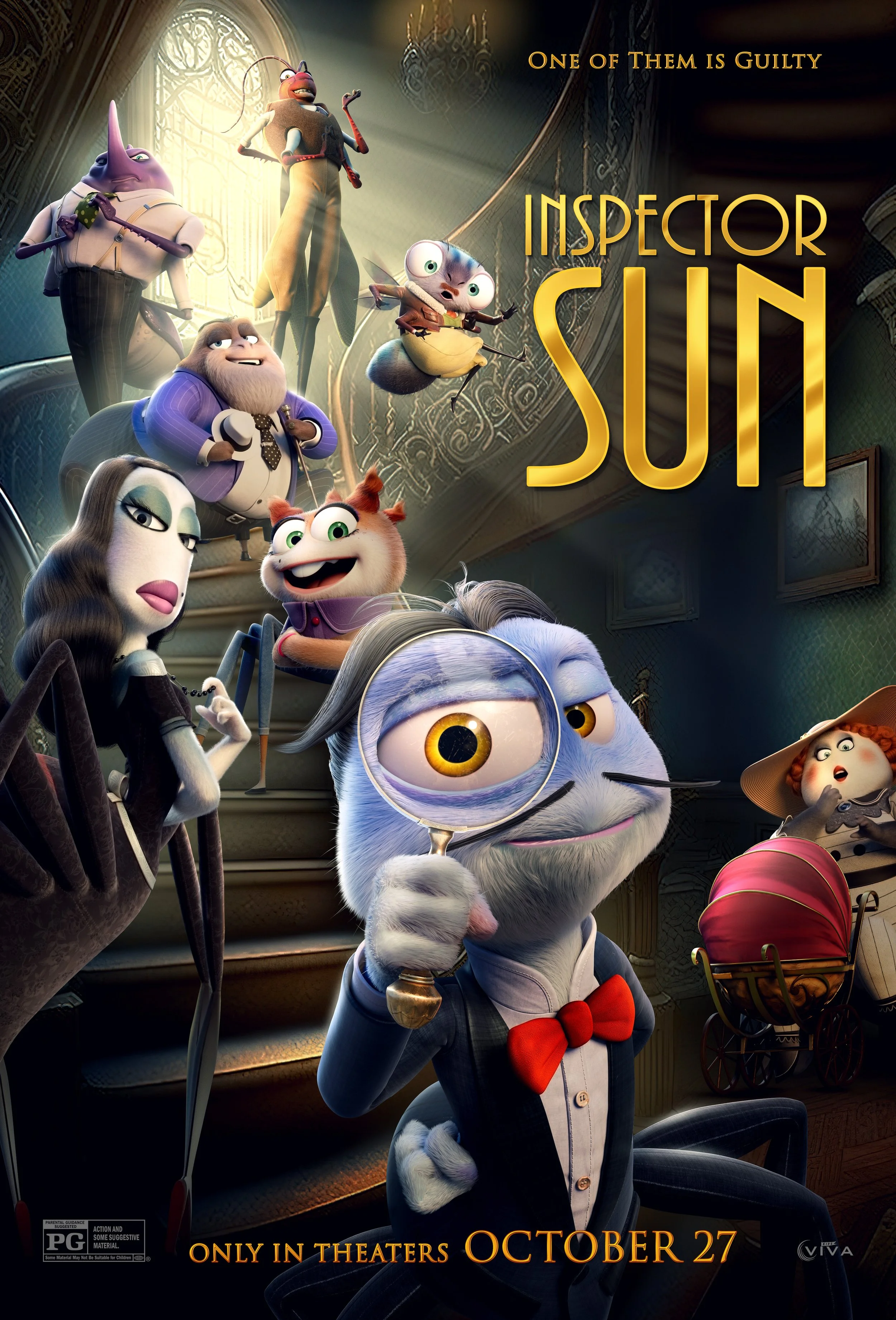
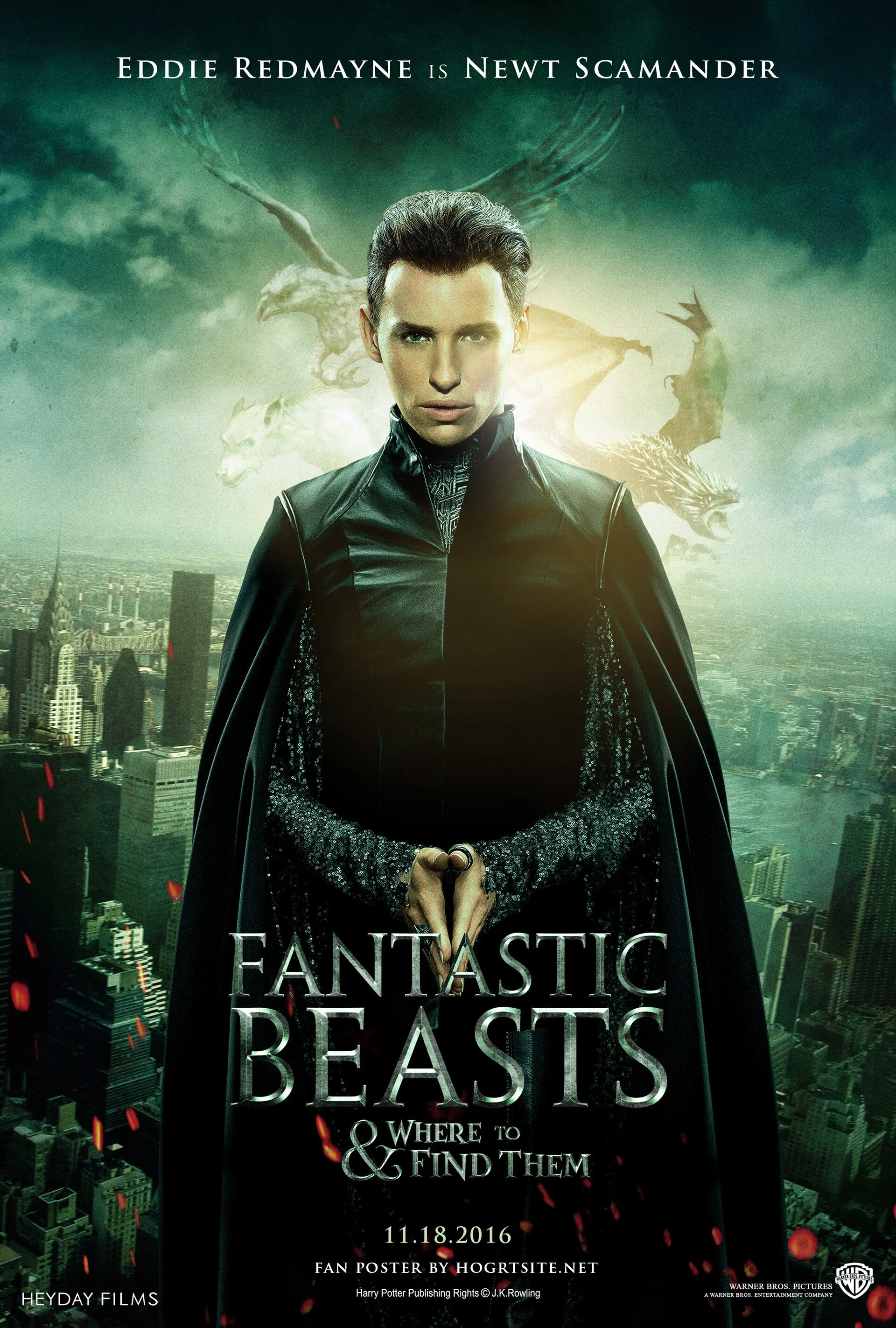
His transition to film began in 2014 with the film Monster Trucks (Paramount), directed by Chris Wedge. That same year, he won the THU Golden Ticket, marking a major milestone in his international career. Since then, Max has contributed to a wide range of major projects, including Fantastic Beasts and Where to Find Them (Warner Bros.), where he developed the iconic character of Demiguise, and its sequel. His credits also include Leo (Netflix Animation), The Wizard of Oz (Animal Logic), Don't Look Up, Inspector Sun, and the groundbreaking anthology series The Secret Level.
Current and Upcoming Projects:
Max is currently involved in several highly anticipated global projects. He is working on the upcoming sequel to Wonka (Warner Bros.), directed by Paul King, where he is designing key creatures, characters, costumes, and visual sequences in collaboration with Framestore.
His recent work also includes character and creature design for the upcoming animated feature FOO (directed by Chris Wedge) and the upcoming musical Kotywampus (Paramount), directed by Gore Verbinski.
Today, Max continues to work globally as a freelance and studio concept artist, helping create memorable worlds and expressive characters for the next generation of film and animation.
What sets Max’s work apart is his versatility across the full range of character development. He moves comfortably between stylized character design for animation and anatomically grounded creature design for VFX and live-action film, adapting each design language to the needs of the project. Whether the goal is charm, graphic clarity, and appeal—or realism, complexity, and cinematic believability—his process is always shaped by story, tone, and directorial vision.
Filmography
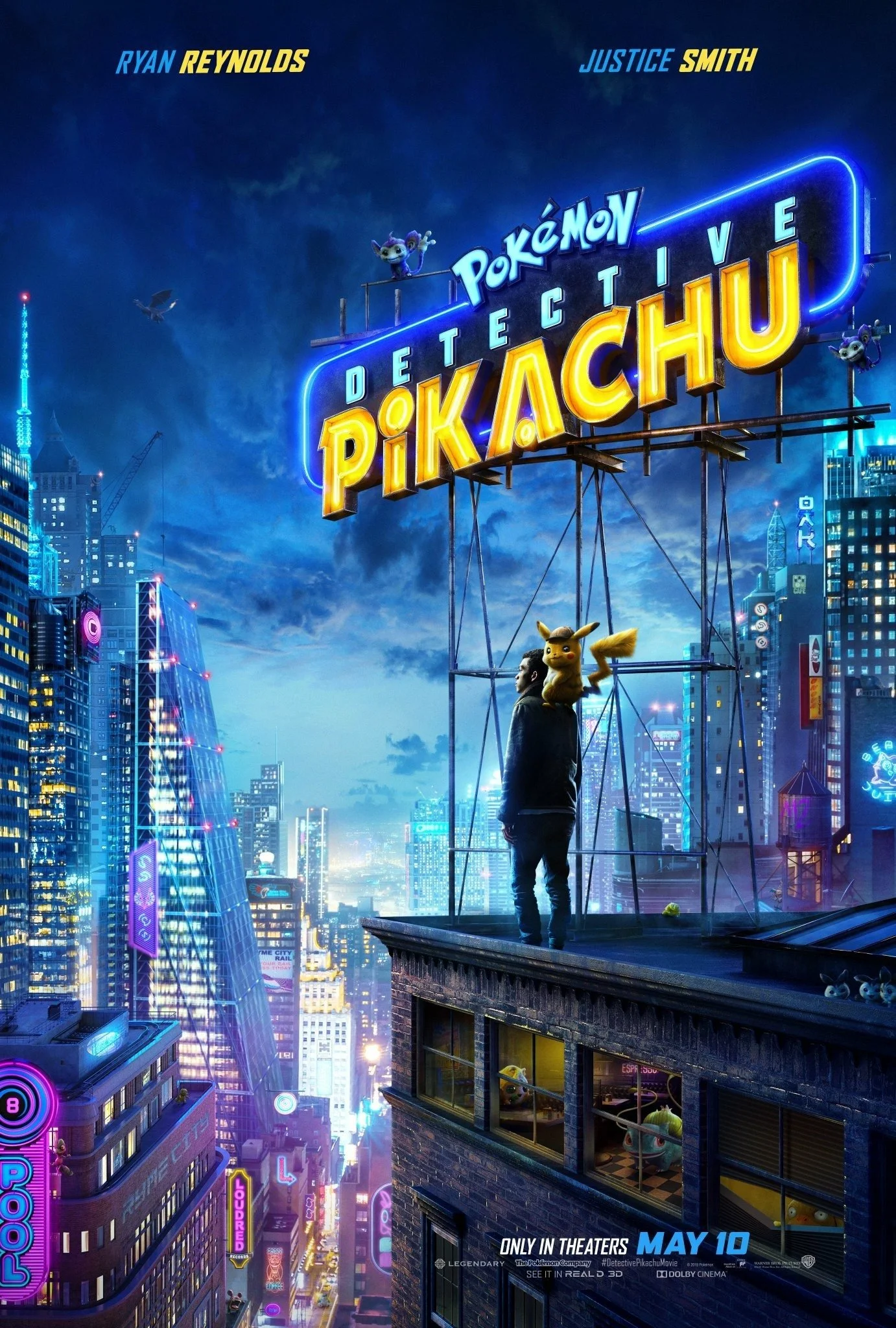
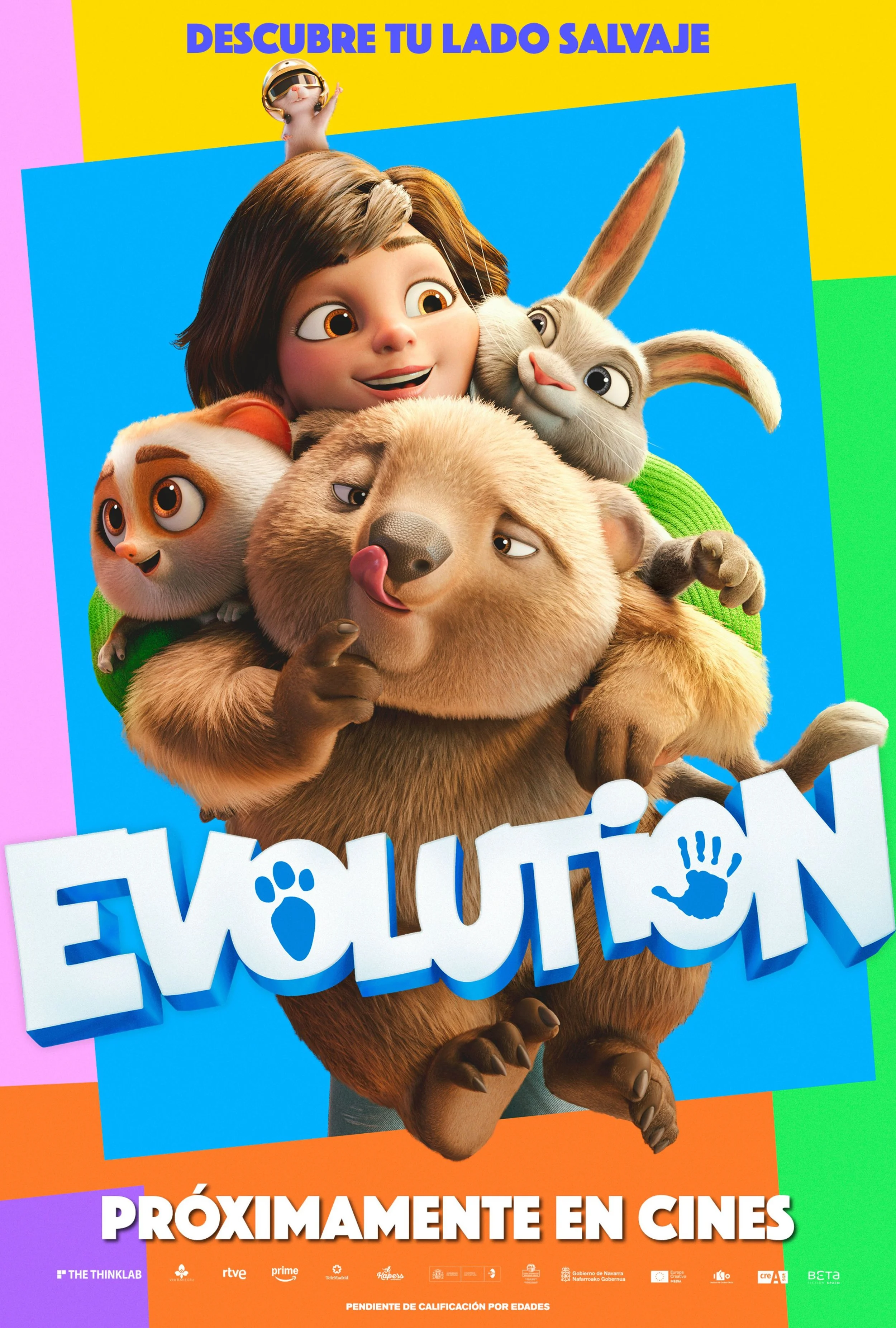
Selected Credits
Fantastic Beasts and Where to Find Them — Creature Design
Fantastic Beasts: The Crimes of Grindelwald — Creature Development
Leo — Character Design
Don’t Look Up — Creature Design
Inspector Sun — Lead Character Designer
Monster Trucks — Concept Development
Wizard of Oz (soon) — Visual Development
Secret Level (soon)— Character Design
Cattywampus (soon) - Concept art, Character design
Wonka 2 (soon) - Character Design, Creature Design
Clients
DreamWorks, Warner Bros, Netflix, Paramount, Framestore, ILM, MPC, Sony Animation, Blink Ink, Nexus Production, Disney TV, Charlex, Unit Image
Frequently Asked Questions
-
It comes down to separating underlying form from surface execution. Whether designing a heavily stylized character for Netflix’s Leo or a realistic creature for Fantastic Beasts, the core foundation is always grounded in functional anatomy and psychological shape language.
In feature animation, I push bold, expressive silhouettes that instantly communicate character personality to the audience. In live-action, I take those same clear silhouettes and anchor them with real-world biology, cinematic lighting, and tactile texture. This hybrid mindset allows me to give cartoon characters a sense of physical weight, while giving photorealistic monsters a memorable, highly expressive performance.
-
The early stages of production—the "blue-sky" phase—are where I have the most creative freedom. I am usually brought on board when the script is still in development and the visual direction is wide open. Directors rarely have a rigid description; they have a mood or a story beat.
My job at this stage isn't just to paint pretty pictures, but to act as a visual problem-solver. I pitch diverse, unexpected directions to help the creative team find their anchor. Once a specific concept is locked, the process naturally shifts toward precision, where I refine the design against production notes and technical pipeline requirements.
-
I’ve extensively studied the Old Masters, and I apply their classical rules of composition to modern digital art. In typical concept design, texture is often used defensively—just to show what a material is made of. But if you cover a creature evenly in photo-textures, the design becomes generic and lifeless.
Light and texture should always serve the story. I deliberately apply high detail and sharp highlights only to the focal points where I want to guide the viewer’s eye, leaving other areas as visual resting zones. People are often surprised to learn that while my work looks intricately detailed, texturing actually takes up less than 10% of my overall process. My goal is maximum psychological impact with minimal visual clutter.
-
Through strict structural logic. A creature can be as outlandish, abstract, or highly exaggerated as the script demands, but it cannot contain arbitrary forms. Every muscle group, joint placement, and facial structure must have an internal biological rationale.
When you maintain complete control over the spatial logic of a character during the 2D sketch phase, it transitions seamlessly into 3D sculpting. This guarantees that when the model is handed over to the studio's technical teams, it is fully optimized for 3D rigging, skin simulation, and fluid animation without breaking the pipeline.
-
The biggest mistake is the confusion between illustration and design. Illustration is about a final polished image; design is about solving a structural problem. Many intermediate portfolios suffer from "over-designing"—adding endless spikes, belts, or textures to camouflage a weak silhouette or flawed anatomy.
Another subtle but vital skill is ruthless self-reflection. Working at a high industry level requires the stamina to look at a design you’ve spent days on, objectively recognize that it isn't solving the director's core idea, and have the confidence to throw it away and start fresh. Experience is what makes that pivot fluid rather than frustrating.
-
I always start with 2D sketches. This remains the fastest and most cost-effective way to brainstorm and iterate through dozens of ideas without spending time in the studio. My style allows me to create both very quick but informative sketches and well-developed volumetric drawings. Once the team is satisfied with the result, I create a full-color illustration with textures.